Eat Sleep Code Repeat Retro SVG Design: A Designer’s Practical Take
As an embroidery designer and product reviewer, I’ve had the chance to work with a wide range of digital embroidery files. When I first opened Eat Sleep Code Repeat Retro Svg Design, it immediately caught my attention with its nostalgic charm and clean layout. This design is clearly tailored for tech enthusiasts and developers who want to express their passion through custom apparel and accessories. Let me walk you through how it holds up in real-world embroidery scenarios and what makes it a solid choice for both personal and commercial use.
First Impressions and Visual Personality
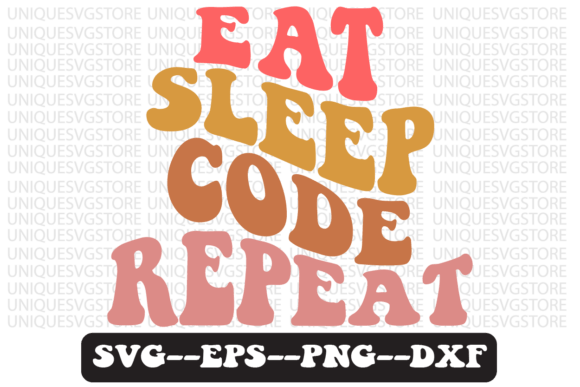
The Eat Sleep Code Repeat Retro Svg Design brings a vintage computer aesthetic to life with minimalistic lines and bold lettering. The phrase itself—“Eat Sleep Code Repeat”—is clever and instantly relatable to those in the coding world. It has a playful yet professional vibe that works well across various embroidery applications. The shape is balanced and centered, making it easy to position on different products like tote bags or sweatshirts without overwhelming the space.
Its retro feel gives it a timeless appeal, which is great for handmade products that aim to stand out in a modern market. The detail level is just right; not too busy but still visually engaging. For someone running a craft business or selling personalized gifts, this kind of visual personality can be a strong draw for customers looking for something unique and meaningful.
Theme and Layout Considerations
The theme of this design is all about simplicity and humor. The layout features evenly spaced text and a clear hierarchy, which helps maintain readability even when scaled down. As a graphics file, it translates well into machine embroidery designs due to its structured composition. If you're aiming for a satin stitch or fill stitch effect, the design supports both styles effectively depending on your creative goals.
Real-Life Embroidery Performance
When considering how Eat Sleep Code Repeat Retro Svg Design would look after stitching, I found myself imagining it on a custom embroidered tote bag or a cozy sweatshirt. Its retro font and color palette make it versatile enough to fit into casual wear while still holding up in more decorative settings like embroidered patches or nursery decor.
- Custom Apparel: Works exceptionally well on T-shirts and hoodies, especially when using a white or light-colored fabric. The design's clarity ensures the message remains legible, and the retro styling adds character without being too loud.
- Sweatshirt Embroidery: The design's moderate size fits nicely on a chest area, and the contrast between thread colors really pops against thicker, softer fabrics.
- Baby Clothes & Onesies: While the design is cute and could be used on baby items, the small details and fine lines might require extra care if working with stretchy or delicate materials.
- Patches and Decorative Accents: Ideal for creating embroidered patches for jackets, backpacks, or denim. The structure of the design allows for tight stitching and precise edges, essential for quality patch work.
- Tote Bags and Aprons: The design scales well and maintains its integrity on larger surfaces. It's a good option for tote bag design or apron embroidery, especially if you’re targeting a tech-savvy audience.
- Holiday Gifts and Personalized Products: The fun and recognizable phrase makes it perfect for holiday embroidery or as part of a gift set. It feels thoughtful and tailored, which is key for handmade product sales.
Stitch Clarity and Product Value
One of the standout qualities of this design is its stitch clarity. When tested on a mockup (not actual fabric), the lines were crisp and the spacing was intentional. That said, I’d recommend checking the stitch density before finalizing any project. Dense stitch areas may need some tweaking to avoid puckering, particularly on thin or textured fabrics.
As a design asset, Eat Sleep Code Repeat Retro Svg Design adds value to finished products by offering a ready-to-use, high-quality graphic that communicates a lifestyle or profession. Whether you're an Etsy seller or a boutique branding enthusiast, this type of design can help build customer trust and increase buyer engagement by speaking directly to your target audience.
Where to Use It Carefully
While this design is adaptable, there are certain contexts where caution is needed:
- Small Hoop Sizes: The design has a decent footprint, so it won’t work well in very small hoop sizes unless you significantly scale it down, risking loss of detail.
- Textured or Stretchy Fabrics: These can distort the design’s fine elements, especially the lettering. Stick to stable, smooth fabrics like cotton or polyester blends for best results.
- Dark Fabric Backgrounds: The default thread colors may blend in too much on darker substrates. Testing a black and white mockup or adjusting thread choices could help.
- Curved Surfaces: Caps or hats with curved embroidery areas may cause distortion. Confirm whether the design has been optimized for such surfaces or consider editing the layout for better placement.
- Frequent Washing: Designs with dense fill stitches or multiple layers may fade over time. Choose durable threads and test the design on a scrap piece of fabric that will be washed regularly.
Detail Inspection and Thread Color Contrast
Embroidery designers know that every little detail matters. In this case, the corners and edges of the letters are sharp and consistent, which is important for maintaining the design's retro appeal. However, when scaling down for smaller projects like patches or caps, inspect each corner carefully to ensure they remain intact after stitching.
Thread color contrast plays a big role in how the design is perceived. The default colors provided with the digital embroidery file are suitable for most light-colored fabrics, but for dark backgrounds, you may need to adjust the thread palette to keep the message visible. Always compare the design against both light and dark fabric samples to see how it looks before committing to production.
Practical Embroidery Designer Notes
Here are a few tips I’ve learned from experience when using the Eat Sleep Code Repeat Retro Svg Design in real projects:
- Test First: Always test the design on scrap fabric to check for potential issues like distortion or tension problems.
- Confirm Hoop Size: Since exact hoop size isn't specified, double-check the dimensions of your chosen hoop to match the design’s needs.
- Use Proper Stabilizer: Especially for stretchy or thin materials, using a stabilizer behind the fabric is crucial for maintaining stitch integrity.
- Review Stitch Density: Make sure the stitch count isn’t too tight for the fabric you're using. Adjust as needed to prevent puckering or pulling.
- Check Licensing: Before using the design for commercial embroidery or digital product previews, confirm whether the license allows for resale or reproduction of finished items.
Handmade Presentation and Brand Consistency
If you're an embroidery project creator focused on handmade presentation, this design can enhance your brand consistency. Its retro tone pairs well with minimalist or geek-chic aesthetics, which are popular among hobbyists and creative entrepreneurs. It also helps in recognition—customers often remember designs with catchy phrases and strong visual identity.
For digital embroidery file sellers, including this design in your catalog offers a fresh angle on developer-themed graphics. It’s a practical addition for anyone selling craft fair products or Etsy listings aimed at coders, makers, and tech lovers.
Final Thoughts for Crafters and Small Business Owners
In short, Eat Sleep Code Repeat Retro Svg Design is a solid pick for those looking to add a touch of nostalgia and professionalism to their embroidery projects. It naturally belongs on items like sweatshirts, tote bags, or even decorative accents for a home or office. But don’t take it at face value—test it out, tweak the settings, and always keep the end use in mind.
Whether you're preparing a personalized gift for a friend or planning a new line of small shop product offerings, this design has the potential to elevate your handmade product with its clever messaging and clean layout. Just be sure to tailor it to your specific materials and project goals to get the best possible outcome.