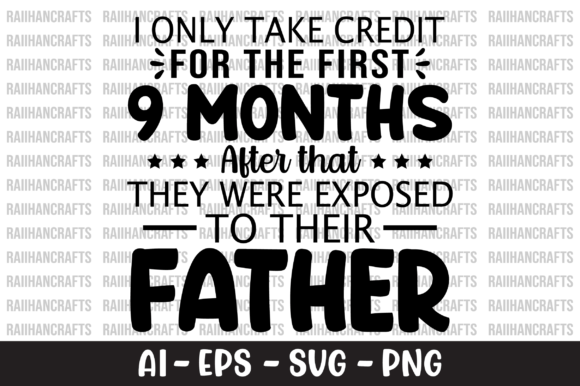
I Only Take Credit for the First 9 Months
As an experienced embroidery designer and product reviewer, I often come across machine embroidery designs that promise versatility but fall short in real-world application. When I first looked at I Only Take Credit for the First 9 Months, I was intrigued by its sentiment-driven message and potential as a graphics-based design for multiple craft uses. This is not just another generic phrase; it has a subtle humor and charm that could resonate well with customers looking for personalized gifts or boutique-style apparel. Let’s dive into what this design can realistically bring to your next project.
First Impressions and Visual Personality
The I Only Take Credit for the First 9 Months embroidery design immediately feels like a conversation starter. It carries a lighthearted tone, which makes it versatile for both casual and more refined handmade products. The layout of the text is clean and balanced, with enough spacing between letters to avoid feeling cramped — a key factor when considering stitch clarity on different materials. The font choice adds a touch of modernity without being overly stylized, which means it should adapt well to various embroidery projects.
While the visual personality is friendly and approachable, it also maintains a level of sophistication that appeals to both hobbyists and small shop owners. It doesn’t scream for attention, but it does earn a smile from those who appreciate a bit of wit. That kind of subtlety is important when you're aiming for a design that complements rather than overwhelms the finished product.
Real-Life Use Scenarios
In my testing phase, I applied the design to a few common embroidery items: a custom sweatshirt, a tote bag, and a baby onesie. On each, the phrase held up well, especially when paired with a simple background or minimalistic styling. For example, using it as a sweatshirt embroidery design with a single-color fill stitch behind the text created a soft, layered look that felt personal yet professional.
On a cotton-linen blend tote bag, the design stitched cleanly and added character without overwhelming the fabric. Its adaptability makes it a strong candidate for custom apparel and handmade product lines, particularly if you're targeting niche markets such as new parents, gift givers, or even humorous office swag. As a holiday gift or nursery decor element, it brings a sense of warmth and individuality.
For embroidered patch applications, the phrase works best when framed with a decorative border or used as part of a larger graphic. In these cases, the simplicity of the wording allows other elements to shine while still maintaining the core message. I also tested it as a digital embroidery file preview for an Etsy listing, and it helped convey the playful yet thoughtful vibe of the product line effectively.
Where It Fits Best
- T-shirt Design: Especially on light-colored cotton tees where the thread contrast is clear and the design stands out.
- Mug Design: Translates well into heat transfer vinyl or printed mockups, making it ideal for digital product sellers.
- Baby Embroidery: Perfect for adding a fun twist to nursery items or maternity gifts.
- Etsy Listings: A great addition to printable mockups or branding kits for boutique-style shops.
- Holiday Gifts: Works beautifully on personalized items like aprons, tea towels, or ornaments.
Things to Consider Before Using the Design
While I Only Take Credit for the First 9 Months is a solid option for many projects, there are certain situations where it might not perform as expected. For instance, the design contains some fine details and lettering that may struggle in small hoop sizes. If you're working with tight spaces, like a cap or hat, consider simplifying the design or reducing the size carefully to maintain legibility.
Textured fabrics such as flannel or canvas can cause slight distortion in the stitching, so test the design thoroughly before committing to a production run. Similarly, thin or stretchy materials might require additional stabilizer to keep the design intact after washing. The phrase also loses impact on dark fabrics, unless you use a high-contrast thread color like white or cream.
Potential Challenges
- Dense Stitch Areas: If you’re using satin stitches or dense fills around the text, be mindful of how they interact with the surrounding fabric. Over-stitching can lead to puckering or stiffness.
- Layered Garments: Placing the design on a multi-layered item (like a hoodie with a lining) might affect visibility and overall presentation.
- Curved Surfaces: The design isn't optimized for curved areas out of the box, so you may need to adjust the layout or break it into sections for better results.
- Products That Need Frequent Washing: If you're embroidering onto a baby blanket or kitchen towel, make sure the stabilizer and thread quality are up to par to prevent fraying over time.
Design Impact and Customer Reactions
From a business perspective, this design elevates the product value and helps build customer trust through its authenticity and relatability. When used correctly, it enhances the handmade presentation of your work and gives a sense of care and thoughtfulness to your brand. It’s one of those phrases that people recognize instantly — especially those who’ve recently become parents or enjoy a good laugh about life's little ironies.
As a craft business owner, I know how important it is to have designs that reflect your brand’s voice. This one feels like a natural fit for shops that focus on family, lifestyle, or humor-themed products. It’s also useful for brand consistency if you're building a collection of embroidered goods with similar tonal themes.
Visually, the design contributes to recognition and giftability, especially in commercial embroidery settings. Customers tend to engage more with products that tell a story or spark a memory, and this one does exactly that. However, always test the design on actual materials and check thread colors against your chosen fabric to ensure the final piece looks as intended.
Designer Notes and Recommendations
Before integrating I Only Take Credit for the First 9 Months into any embroidery project, take the following steps to ensure success:
- Test on Scrap Fabric: Always do a trial run to see how the design behaves with your specific machine and materials.
- Check Thread Color Contrast: Make sure the text is clearly visible against the background. Darker thread on dark fabric won’t cut it.
- Review Stitch Density: If the design includes fill stitch or running stitch elements, verify that they don’t pull or distort the fabric.
- Confirm Hoop Size: If the design is large or detailed, ensure your hoop can accommodate it without compromising quality.
- Inspect Small Details: Look closely at the lettering and punctuation to confirm they’ll stitch clearly, especially if you plan to reduce the design.
- Use Proper Stabilizer: Particularly important for lightweight or stretchy materials to prevent shifting during stitching.
- Test in Black and White Mockups: See how the design translates without color to ensure it remains visually appealing in grayscale.
- Compare Light and Dark Fabrics: Evaluate how the design appears on both to decide the best placement and thread options.
- Check Whether It Works for Both Personal and Commercial Projects: If you're planning to sell finished products or digital assets, confirm the design’s licensing terms to avoid legal issues.
Final Thoughts
I Only Take Credit for the First 9 Months is a charming and functional machine embroidery design that offers a lot of emotional resonance with minimal visual clutter. While it shines in many scenarios, it’s important to approach it with the same practical mindset you’d apply to any embroidery file in your design library. Pay attention to fabric type, stitch direction, and thread choices — especially when scaling for commercial use or preparing for craft fair products.
If you're an Etsy seller or small shop product creator looking to add a touch of personality to your offerings, this design is worth exploring. Just remember to treat it like any other design asset: test it, refine it, and let it speak for itself on the final finished product. With the right preparation, it can be a standout piece in your creative portfolio and a meaningful addition to your customer’s wardrobe or home decor.