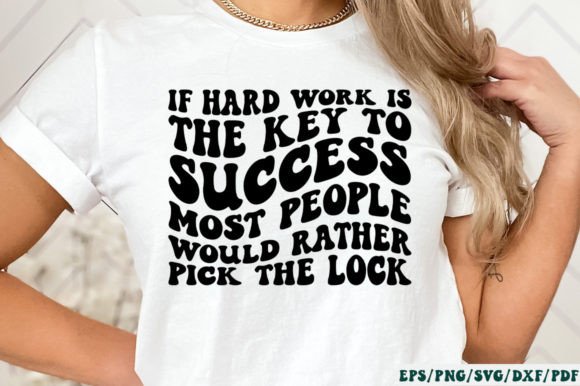
If Hard Work is the Key to Success, Most
Embroidery design reviews can often feel like a checklist of buzzwords and vague recommendations. But as someone who has stitched hundreds of designs for both personal and commercial projects, I prefer to cut through the fluff and give you the real deal. Today, we're taking a closer look at If Hard Work is the Key to Success, Most, a retro-style funny quote SVG that’s been making its rounds in the crafting community. This isn’t just about whether it looks good—it's about how it holds up when you actually put it on fabric.
A First Glance: Mood and Visual Personality
The first thing that stands out with If Hard Work is the Key to Success, Most is its laid-back, humorous tone wrapped in a vintage aesthetic. The typography feels reminiscent of 80s or 90s motivational posters—bold, slightly rounded, and intentionally imperfect. It’s not minimalist, but it doesn’t overdo it either. The layout is clean enough for most embroidery applications, with a clear focal point and minimal background elements. As an embroidery file, it gives off the vibe of a playful yet professional statement piece.
This kind of visual personality makes it a strong candidate for casual apparel, tote bags, aprons, and even nursery or holiday decor where a bit of wit and charm are appreciated. The retro feel also adds a nostalgic touch, which could be especially appealing to audiences who love throwback styles or vintage-inspired branding.
Real-World Performance in Embroidery Projects
Let’s get practical. When I think about how this design would perform across different embroidery projects, a few key scenarios come to mind:
- Tote Bag Design: The bold text works well on a medium to large hoop. The message is uplifting and fits perfectly into a custom handmade product like a reusable tote bag. It reads clearly from a distance, which is great for visibility and brand recognition.
- Sweatshirt Embroidery: On a cozy cotton sweatshirt, the design maintains its shape and readability. The retro style complements soft, casual fabrics without overwhelming them.
- Embroidered Patch: As an applique design, it can be easily adapted for patches. Just make sure the stitch density is adjusted to avoid bulkiness, especially if you plan to sew it onto multiple items.
- Baby Clothes or Nursery Decor: The humor here might be too adult for some baby-related items, but if your audience enjoys quirky, modern parenting aesthetics, it could work as a subtle inside joke on a pillow cover or kitchen towel.
- Holiday Gifts or Boutique Merchandise: The design brings a sense of fun and authenticity that aligns well with small shop products and Etsy listings. It’s versatile enough to appear on mugs, ornaments, or even embroidered greeting cards with the right customization.
What’s nice is that the digital embroidery file includes SVG, DXF, PNG, EPS, and PDF formats. That means it's compatible with most cutting machines and software like Cricut Design Space and Silhouette Designer Edition. For crafters and creative entrepreneurs, this flexibility is a major plus. You can preview it on printable mockups before deciding if it fits your project’s scale and style.
Where to Use It Carefully
While this design is adaptable, there are a few places where it might not shine unless tweaked:
- Small Hoop Sizes: The design may lose clarity or become cramped if forced into a smaller space than intended. Always check the recommended hoop size if provided.
- Textured or Stretchy Fabrics: The intricate details and curves in the font might distort on stretchy materials like spandex blends. Similarly, on canvas-like textures, the stitches could flatten unevenly.
- Dark Fabric Backgrounds: The default thread colors included in the file may not contrast well against darker tones. A black and white test mockup can help determine if the colors need swapping.
- Curved Surfaces: If you’re considering using this on caps or curved areas, be prepared to adjust the layout manually or risk misalignment after stitching.
- Frequent Washing: Dense fill stitches might pill or fade faster than running or satin stitches. For items that see heavy use, consider simplifying the design or reducing stitch density for longevity.
Design Impact on Finished Products
One of the strengths of If Hard Work is the Key to Success, Most is how it enhances the visual appeal of the finished product. The design feels intentional and thoughtful, which translates into higher perceived value. Whether it’s a personalized gift or part of a boutique collection, the retro vibe adds character and can boost buyer engagement by evoking a sense of nostalgia or clever irony.
For an Etsy seller or a handmade shop owner, this kind of design helps establish brand consistency. It can be used across multiple product types, giving customers a cohesive experience. The humor involved also makes it more memorable, increasing the chances of repeat buyers or word-of-mouth promotion.
However, keep in mind that the effectiveness of this design hinges on context. A dense stitch pattern might not suit every item, and the message itself is best suited for those who appreciate dry wit or motivational quotes with a twist. Be mindful of your target audience—if they’re expecting serious, elegant embroidery, this might not hit the right note.
Designer Notes and Best Practices
Before committing to a real project, always test the design on scrap fabric. Especially with machine embroidery, what looks great on screen can behave differently once stitched. Here are a few tips I follow:
- Check the thread color contrast against your chosen fabric. Lighter thread colors may not pop on dark backgrounds.
- Review the stitch density—if the design has overly packed fill areas, it might cause puckering or stiffness.
- Confirm the hoop size needed for your specific machine. Some designs require larger hoops for optimal results.
- Inspect small details like the curve of the letters or any decorative accents. These might not render correctly on all machines or fabrics.
- Test it in black and white mockups to evaluate legibility and impact before purchasing thread.
- Use the right stabilizer for your fabric type. Heavy stabilizers can help prevent distortion, especially on stretchy or thin materials.
- Compare the design on both light and dark fabric backgrounds to ensure it remains visually appealing across your product line.
- Always confirm licensing terms before selling finished items or digital embroidery files. This ensures you stay within legal boundaries for commercial use.
As a graphics-based design, it integrates smoothly into digital product previews and printable mockups, which is invaluable for online sellers. It also plays well with other design assets, so if you’re building a themed collection, it can fit right in.
Final Thoughts for Crafters and Business Owners
In the world of crafts and handmade products, choosing the right machine embroidery design can mean the difference between a successful sale and a disappointing one. If Hard Work is the Key to Success, Most is a solid option that brings personality and versatility to the table. It’s not perfect for every scenario, but with a little care and adjustment, it can elevate your sweatshirts, tote bags, and even small business merchandise with a dash of retro charm and clever messaging.
Remember, the goal is to create something that not only looks good but also stands up to the realities of production and customer interaction. This design does that—if you approach it with the right mindset and preparation. So go ahead, give it a try, but don’t skip the test run. Your future projects (and clients) will thank you.